Daily walkaround checks are a basic but critical part of transport compliance in the United Kingdom. Every driver must inspect their vehicle before use to ensure it is safe and roadworthy.
For operators, this is not just good practice. It is a legal requirement. Failure to carry out proper checks can lead to penalties, vehicle prohibitions, and risks to your operator Licence.
If your business runs under an operators Licence UK, daily checks form a key part of your compliance system. They show that you take safety seriously and manage your fleet responsibly.

What Are Daily Walkaround Checks
A daily walkaround check is a visual inspection carried out by the driver before the vehicle is used.
The purpose is simple. Identify any defects that could affect safety or legality.
These checks do not require technical knowledge. They focus on visible and obvious issues that can be spotted quickly.
Drivers act as the first line of defence. They help prevent unsafe vehicles from entering the road.
For operators holding a vehicle operators licence, this process supports wider maintenance systems and compliance requirements.
Why Walkaround Checks Are So Important
Walkaround checks protect drivers, the public, and your business.
A small defect, if ignored, can lead to a serious incident. For example, a worn tyre or faulty light may seem minor but can result in accidents or enforcement action.
Regular checks reduce these risks. They also help identify issues early, which lowers repair costs and prevents breakdowns.
From a compliance perspective, regulators expect operators to have strong daily check systems.
During a DVSA inspection or audit, poor walkaround checks are often highlighted as a major weakness.
For businesses applying for an operator licence application, demonstrating a clear daily check process is essential.
What Drivers Should Check
Drivers should inspect key areas of the vehicle before starting their journey.
This includes tyres, lights, mirrors, brakes, and general vehicle condition. The aim is to confirm that the vehicle is safe to operate.
Drivers should look for signs of damage, wear, or malfunction. They should also check that number plates are visible and that no warning lights are active.
The check should be thorough but efficient. It should take a few minutes but cover all important areas.
For operators under a vehicle operators Licence, consistency in these checks is more important than speed.
Recording the Check Properly
A walkaround check must be recorded. This is a key part of compliance.
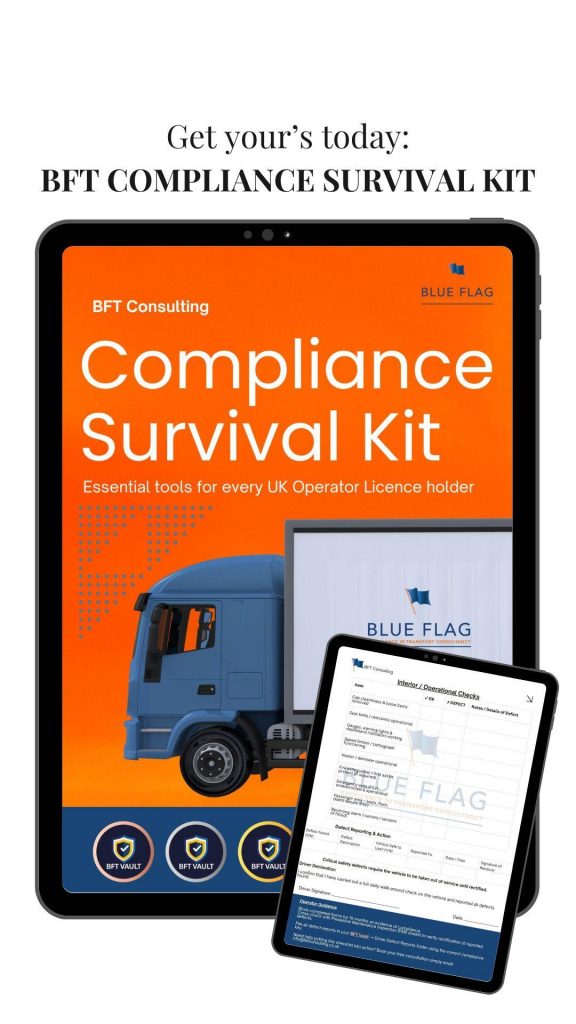
Drivers should complete a defect report, even if no issues are found. This creates a record that the check was carried out.
If defects are identified, they must be recorded clearly. The report should describe the issue and confirm whether the vehicle is safe to use.
Accurate records help demonstrate that your system is working.
For operators working under the operators Licence UK framework, documentation is essential during inspections and audits.
What Happens When a Defect Is Found
If a defect is identified, the driver must report it immediately.
Minor issues may be recorded and monitored. However, serious defects must be fixed before the vehicle is used.
The decision depends on whether the defect affects safety. If it does, the vehicle must not be driven.
Operators must have a clear process for handling defects. This includes reporting, repair, and confirmation that the issue has been resolved.
For businesses holding a restricted operators licence, the same rules apply. Safety standards do not change based on licence type.
The Operator’s Responsibility
While drivers carry out the checks, the operator is responsible for ensuring the system works.
You must provide clear instructions and training. Drivers need to understand what to check and how to report issues.
You must also ensure that defects are handled properly. Ignoring reports or delaying repairs can lead to serious compliance problems.
The Traffic Commissioner expects operators to have full control over their systems.
A strong daily check process supports your position and protects your operator Licence.
Common Mistakes to Avoid
Many operators fail to manage walkaround checks properly.
One common mistake is treating checks as a routine task without importance. This leads to rushed inspections and missed defects.
Another issue is poor record keeping. Missing or incomplete reports can create problems during audits.
Some operators also fail to act on reported defects. This undermines the entire system.
Avoiding these mistakes requires clear processes and regular monitoring.
How Walkaround Checks Support Compliance
Daily checks are part of a wider compliance system.
They link directly to vehicle maintenance, driver responsibility, and record keeping. Together, these elements form the foundation of your operation.
Strong walkaround checks help prevent defects from becoming serious issues. They also show regulators that your business is proactive.
For operators preparing for a DVSA visit or audit, this system is often reviewed closely.
Good daily checks support long-term compliance and reduce the risk of enforcement action.
Building a Strong Daily Check Culture
Compliance is not just about systems. It is about culture.
Drivers must understand the importance of daily checks and take them seriously.
You should encourage a culture where safety comes first. Drivers should feel responsible for the condition of their vehicles.
Regular training and clear communication help reinforce this culture.
For businesses under the operators Licence UK system, a strong safety culture is a key factor in long-term success.
Preparing for Growth and Expansion
As your business grows, your daily check system must grow with it.
More vehicles and drivers mean more checks and more records. You must ensure that your system remains consistent and effective.
Planning ahead helps you manage growth without losing control.
This also supports your financial planning, including the operators licence cost and ongoing compliance expenses.
Some operators expand into other areas, including passenger transport, where processes like a pco operator licence application may apply.
Professional transport consulting support can help you build scalable systems.
Protect Your Licence Through Daily Checks
Daily walkaround checks may seem simple, but they play a vital role in protecting your business.
They help you:
- Identify defects early
- Improve vehicle safety
- Maintain compliance
- Protect your operator Licence
In the transport industry, small actions make a big difference.
Consistent and accurate checks help you build a safe and reliable operation.
Get Expert Help with Compliance Systems
Managing daily walkaround checks is part of a wider compliance system.
If you need support with your operator licence application, maintenance systems, or improving compliance under operators Licence UK, expert guidance can help.
For professional assistance with vehicle operators licence, compliance planning, and system development, contact Blue Flag Transport Consulting. Their specialist transport consulting team helps operators build strong systems, stay compliant, and protect their operator Licence across the UK transport industry.